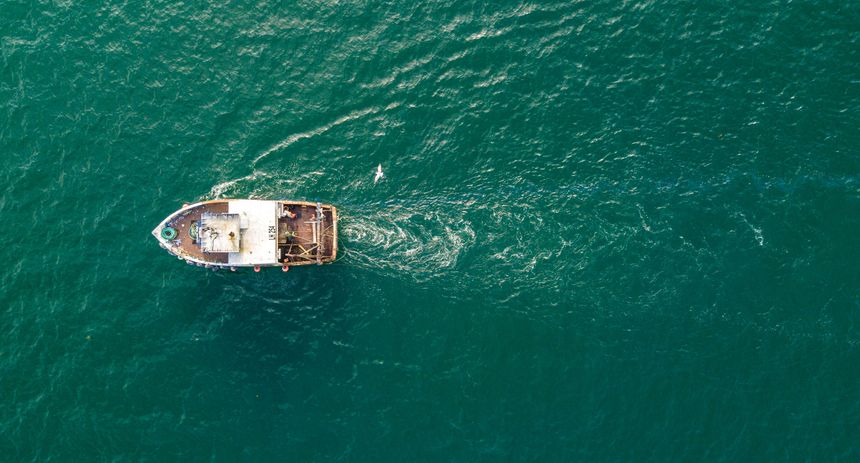
Boating accidents are unfortunately an all-too-common occurrence in the United States. To illustrate how widespread this issue is, consider that according to the U.S. Coast Guard’s 2020 Recreational Boating Statistics Report there were 767 boating fatalities in 2020, which represented a staggering 25.1 percent increase from 2019. According to the same report, there were 5,265 total accidents, and the total number of injured victims was 3,191—with both figures also representing a roughly 25 percent increase from the previous year. Add in the fact that property damage totaled over $62 million, and it becomes clear that having boating insurance is an absolute must.
And boating insurance is not just needed for accidents. Perhaps a storm comes through and totals your boat, rendering it completely unusable. Or maybe there is a malfunction with one of its core components, and you can’t get your boat to run anymore. The list of reasons to get boating insurance is extensive.
However, with boating insurance, several questions may arise. For instance, someone may wonder what insurance covers boating accidents—and what exactly is covered? Or perhaps you were impacted by a boating accident and are offered a settlement by the insurer’s company—should you take it?
For starters, one thing should be clear: homeowner’s insurance typically does not cover boats. For many boat owners, this is an unfortunate misconception that can lead to an expensive headache down the line. Now, it should be noted that some homeowners' insurance policies do offer boat coverage. Yet in those circumstances, the coverage protecting the boat is quite limited. When it comes to protecting boats under a homeowner’s policy, there are limits with respect to both the size and horsepower of the vessel. For instance, the Insurance Information Institute notes that homeowner insurance policies typically cover only small boats with a horsepower of under 25 miles per hour. For larger and faster vessels, a separate policy is needed.
For those relying on their homeowner’s insurance to provide protection for their vessel, it is essential to understand the extent of their coverage in relation to accidents. In the event that someone is in an accident and hurts another person or causes property damage—and if the vessel is one of the types of watercraft that can be covered through a home insurance policy—then the home insurance policy’s liability section (if they have that coverage) can help cover some potential costs. The amount will depend on the owner’s policy. However, this does provide much-needed protection for someone who may be responsible for another party’s medical bills, lost income, or property damage. Overall, however, coverage for a vessel through a homeowner’s insurance policy does tend to be quite limited. In most situations, the ceiling of the coverage is roughly either $1,000 or a total of ten percent of the insured value of the policyholder’s home.
If you have a boat and it exceeds the size and speed allowed under your homeowner’s insurance policy, then it would be prudent to begin looking for a boat insurance policy that fits your needs. Several insurance companies offer boat insurance policies. Given what could potentially be at stake if something occurs with your boat, whether it be an accident or damage incurred from a storm, then boat insurance can go a long way.
Like with a home or a motor vehicle insurance policy, a boat insurance policy provides the owner of a vessel with coverage for any potential physical damage that may occur. With a boat insurance policy, a boat owner can get their boat repaired or replaced if it suffers damage, whether it occurs due to a collision or through a storm or any other type of covered event. It should be noted that a policy typically covers the boat, its trailer and motors, and possibly some personal property that is kept on the vessel—but it does not cover damage to property that is not utilized in the typical operation of a boat (for instance, if someone lost their cell phone as a result of a collision).
Additionally, through a boat insurance policy, individuals can acquire coverage for themselves in the event of an accident that results in bodily injury to another party. Just as with a car, an individual is liable if they cause an accident that results in an injury. The injured party may have medical bills that need to be paid and require ongoing treatment. The party might also be unable to work and, as a result, suffer from a loss of potential income. If the operator of a boat is deemed responsible for the accident that caused these injuries, they may be liable for the other party’s expenses and may be required to pay out of pocket. However, with liability coverage, a boater may be prevented from having to cover those costs.
According to the Insurance Information Institute, there are two types of boat insurance. The first is actual cash value. With this type of policy, if there is a complete loss of the vessel, then materials such as used boat pricing guides are used to determine the boat’s estimated market value at the time. If someone suffers a partial loss, such as an injury to the motor, the policy pays for the replacement costs needed and subtracts for depreciation at the time the loss occurred.
The other type of boat insurance is an agreed amount value. With an agreed-upon amount policy, a value is placed on the boat that has been agreed upon by both the boat owner and the insurance policy issuer. Under an agreed-upon value boat insurance policy, a complete loss of the vessel would result in reimbursement of the agreed-upon amount. Additionally, with partial loss, replacements are paid by the insurer—though unlike with an actual cash value policy, there is no subtraction for depreciation.
Insurance companies calculate premiums using multiple factors, including the size, cost, and style of the vessel. When shopping for boating insurance, it is essential to compare options to ensure you are procuring coverage that meets your specific needs.
As previously noted, boating accidents are far too common. They may happen because the operator of a vessel had been drinking and was operating under the influence. An accident may occur due to operator error or equipment malfunction. With more people than ever out on the water, accidents are on the rise. If you are injured and/or suffer property damage due to a boating accident, you may be entitled to financial relief.
In these situations, you will likely receive an offer from the other party’s insurance carrier—assuming that they have insurance for their vessel. However, if you receive an offer from the other party’s insurance carrier, you should consult with an experienced boat insurance attorney who can provide tailor-made counsel on the best course of action, helping you navigate your specific situation.
In general, it is usually a wise move to reject the initial offer from an opposing party’s insurance company. There is typically more money that can be made beyond the initial offer—and that is money that should not be left on the table. An experienced insurance lawyer can help you understand all the aspects that need to be considered in an offer.
Were you hurt?
Will you have continuing medical bills and need future treatment?
Does the accident impact your ability to work and make a living?
Is your quality of life impaired?
These are some of the key questions a lawyer can help with so that you and your loved ones are receiving the most money for your pain and suffering.
If you or a loved one has been the victim of a boating accident, the experienced boat accident lawyers of Morris James can help you navigate your legal needs. Contact one of our experienced legal team at 302.655.2599 or by use our online contact form today.