blog

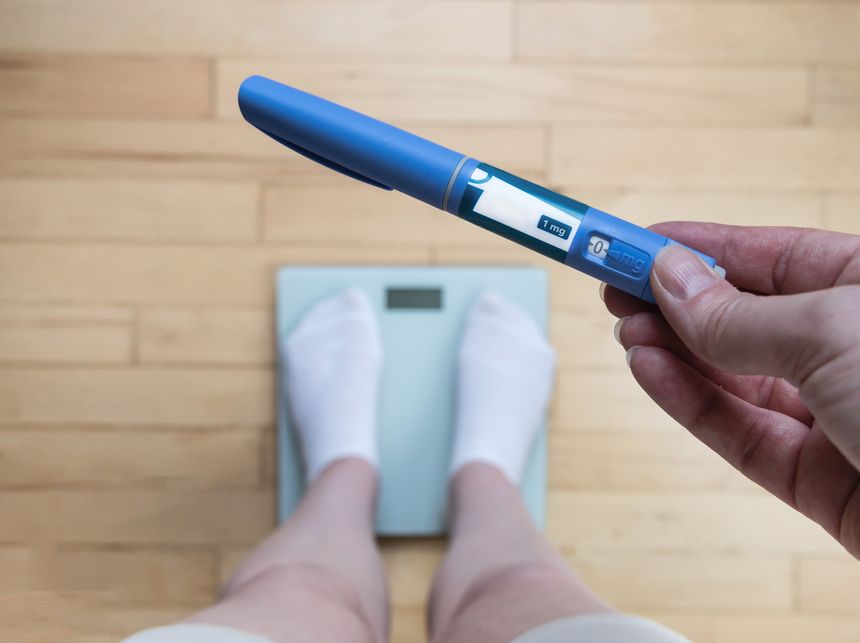
Morris James is investigating claims that Ozempic, Wegovy, and other GLP-1 medications have been linked to serious, permanent vision loss. This guide provides straightforward information on who may qualify to file a GLP-1 vision loss lawsuit and what steps to take if you are considering one.
The Ozempic vision loss lawsuit alleges that Novo Nordisk and Eli Lilly failed to warn patients about the risk of NAION — non-arteritic anterior ischemic optic neuropathy — a serious eye condition that causes sudden, often permanent vision loss due to loss of blood flow to the optic nerve. It seeks compensation for the GLP-1 users who were harmed as a result.
No. These are two separate categories of litigation involving the same medications. The gastroparesis or stomach paralysis lawsuits involve patients who experienced severe gastrointestinal injuries such as stomach paralysis (gastroparesis), bowel obstruction, and related complications. The vision loss lawsuits are an entirely distinct MDL (Multi-District Litigation) focused exclusively on optic nerve injuries, primarily NAION.
The primary GLP-1 RA drugs involved in these cases are Ozempic, Wegovy, Mounjaro, Zepbound, Victoza, Saxenda, and Trulicity. If you took a GLP-1 medication not listed here, contact us — we will evaluate your case.
If you have been diagnosed with NAION (non-arterial anterior ischemic optic neuropathy), you may have a claim. These conditions range from serious to permanently disabling.
NAION stands for Non-Arteritic Anterior Ischemic Optic Neuropathy. It is a serious eye condition caused by a sudden loss of blood flow to the optic nerve — the nerve that carries visual signals from your eye to your brain. When the optic nerve is deprived of adequate blood supply, nerve fibers die, and the vision loss that results is typically permanent. NAION strikes without warning, often overnight, and there is currently no proven treatment to reverse the damage or restore lost sight.
NAION typically causes a sudden, painless loss of vision — often noticed upon waking. You may see a dark patch or blurred area in part of your visual field. It usually affects one eye but can affect both. If you are experiencing these symptoms, you should see a doctor as soon as possible.
Yes. Having diabetes does not disqualify you. Many GLP-1 vision loss plaintiffs are diabetic patients. The legal question is whether the GLP-1 drug caused or significantly worsened your eye condition beyond what your diabetes alone would explain. Our attorneys work with independent medical experts to evaluate causation in each individual case.
Yes. Filing deadlines (statutes of limitations) vary by state, typically ranging from 1 to 3 years from the date of injury or discovery. These deadlines are strict and missing them can permanently bar your claim. We encourage you to contact our GLP-1 vision loss lawyers as soon as possible, even if you are still gathering medical records.
Nothing upfront. Our firm handles GLP-1 and Ozempic lawsuit cases on a contingency fee basis, meaning you owe no attorneys’ fees unless we recover compensation for you. Our attorneys are happy to answer any questions about our fees during your free consultation. Contact us today online or by calling 302.655.2599 for a free no-obligation consultation.