blog

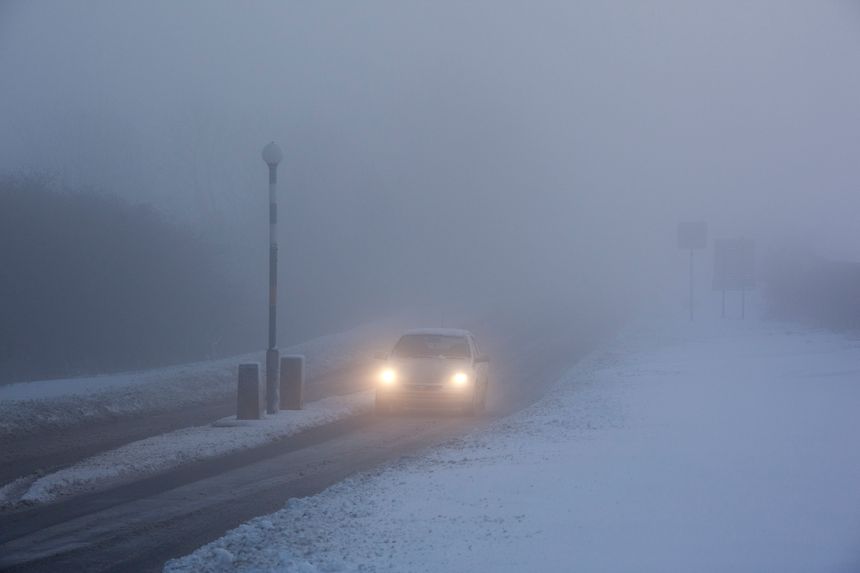
Winter weather significantly increases the risk of motor vehicle accidents. Snow, ice, and reduced visibility contribute to thousands of crashes each year, raising complex legal questions about fault, negligence, and insurance coverage. When severe storms lead to a state of emergency declaration, those questions can become even more nuanced.
This article examines the legal framework governing car accidents during snowy conditions, including how courts evaluate driver conduct, how emergency declarations factor into liability analysis, and what injured individuals should understand about their rights.
Most car accident claims are governed by negligence law. To establish liability, an injured party must generally show that a driver:
Owed a duty of care
Breached that duty
Caused the accident
Resulted in damages
Snow and ice do not eliminate a driver’s duty of care. Instead, courts consistently hold that drivers must adjust their behavior to account for hazardous conditions. Speed limits, for example, are not absolute permission to drive at posted speeds when weather conditions make that unsafe.
Courts evaluate whether a driver acted as a reasonable person under the same winter conditions, which often includes expectations such as reduced speed, increased following distance, heightened attentiveness, or avoidance of unnecessary travel during known hazards
Weather may explain why a road was dangerous, but it does not excuse unreasonable driving behavior.
Drivers and insurers often argue that snow or ice “caused” an accident. While weather is relevant context, courts generally reject the idea that it automatically absolves a driver of responsibility.
In many jurisdictions, winter weather is considered foreseeable, particularly in regions where snowstorms are common. As a result:
Sudden emergency defenses are often unsuccessful when the hazard was predictable
Loss of vehicle control alone does not eliminate fault
Comparative negligence may apply if multiple drivers contributed to the crash
This means fault can be shared, and damages adjusted accordingly, rather than eliminated altogether.
Because weather conditions are temporary and can change rapidly, evidence plays a critical role in snow-related accident litigation. Common sources include:
Police crash reports
Photographs or video of road conditions
Weather data from the time of the accident
Witness statements
Accident reconstruction analysis
Official weather reports and storm warnings can help establish foreseeability and whether a driver reasonably accounted for known risks.
A state of emergency is a formal declaration by a governor or other executive authority in response to conditions that threaten public safety, such as severe winter storms. These declarations allow governments to mobilize resources, issue travel restrictions, and suspend certain regulations.
Importantly, a state of emergency does not suspend negligence law.
However, it can influence accident claims in several meaningful ways.
When a state of emergency is declared:
The dangers of travel are officially recognized
Warnings and advisories are widely disseminated
Courts and insurers may view continued travel as more risky and less reasonable
Drivers who choose to travel during declared emergencies may face increased scrutiny regarding whether their actions were reasonable under the circumstances.
Emergency declarations do not automatically shift liability to state or municipal entities for road conditions. Governmental bodies often retain sovereign or governmental immunity, except where specific statutory exceptions apply.
That said, claims involving failure to maintain roadways, delayed snow removal, known dangerous conditions may require careful legal analysis of notice requirements, immunity statutes, and emergency response protections.
States of emergency may temporarily suspend certain transportation regulations, such as trucking hours-of-service rules. These regulatory waivers do not lower the standard of care for drivers in civil negligence cases.
Even when regulatory flexibility exists, drivers remain obligated to operate vehicles safely under prevailing conditions.
Insurance coverage following a winter crash depends on the type of policy involved:
Liability insurance covers injuries or damage caused by a negligent driver
Collision coverage may pay for damage to the insured’s own vehicle
Comprehensive coverage may apply to certain weather-related damage not involving a collision
Insurers may attempt to attribute accidents primarily to weather conditions. Legal analysis focuses instead on driver conduct relative to those conditions, not the weather alone.
Snow and ice do not excuse unsafe driving
State of emergency declarations can increase expectations of caution
Liability often turns on foreseeability and reasonable behavior
Evidence and timing matter significantly in winter accident claims
Snow-related car accidents often overlap with broader legal issues, including:
Winter weather accidents often involve more than poor conditions alone. Questions of fault, insurance coverage, and the legal impact of emergency declarations require careful analysis grounded in both the facts and applicable law. If you or someone close to you was injured in a car accident during snow or icy conditions, speaking with personal injury lawyers can help clarify available options and next steps.
Morris James represents individuals in serious injury matters and can assess how weather conditions, driver conduct, and emergency orders may affect a claim. Contact us online or call 302.655.2599 to schedule a free, no-obligation consultation.